
I model the product once and automatically generate every finish, colour and viewpoint you need: hundreds of consistent images, ready for your website, catalogue and marketplaces.
A knob with 8 finishes and 3 views is 24 photos. A luminaire with 23 finishes on two parts is 529 combinations. Traditional photography needs a physical sample of every variant, a set and a studio day per session. With a parametric pipeline, variant 400 costs the same as variant 3.
The products you don’t shoot today because of cost are exactly the ones that sell worst online. Generating all of them stops being a budget decision.
Same light, same framing, same background and scale across every image. The product page stops looking like a collage.
The sales image comes straight from the CAD or a drawing. You can pre-sell, validate finishes or pitch a client without a single physical sample.
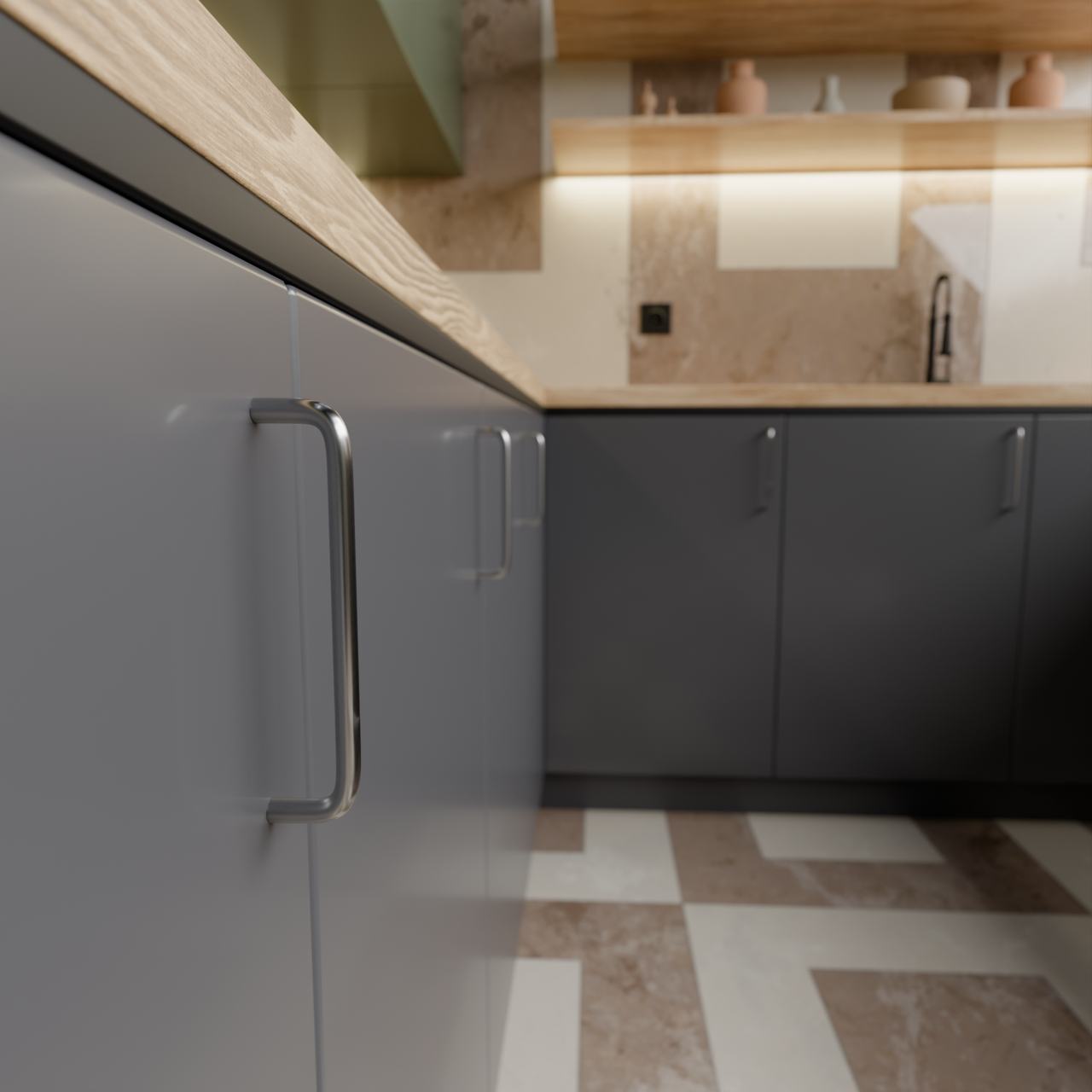
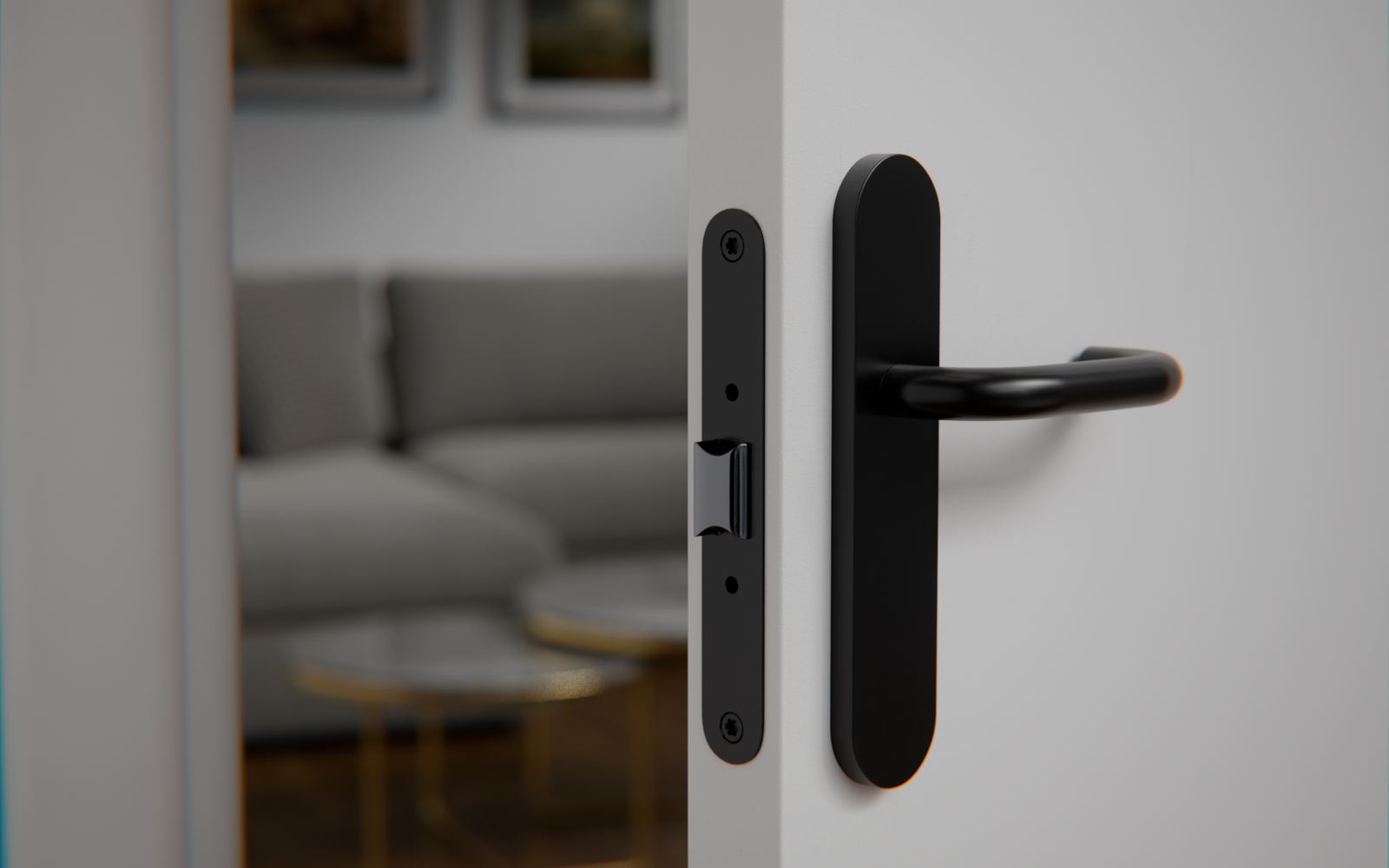
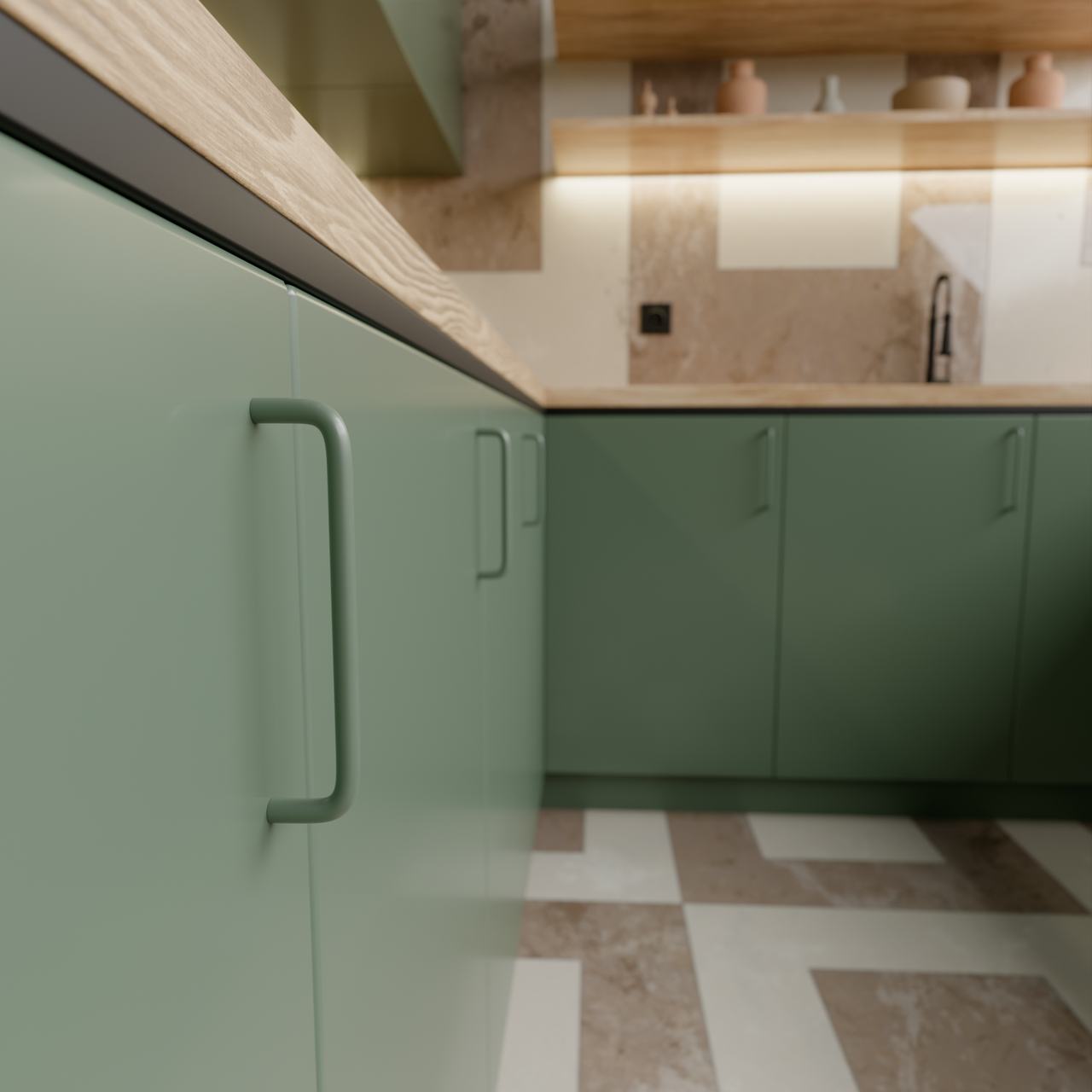
A single modelled handle with the full finish chart applied on top. Beyond the packshots: the complete sales chart — three families, each finish on its own ground — and the product installed in a kitchen in any of the 18 finishes.


The same handle, the same kitchen, four finishes.


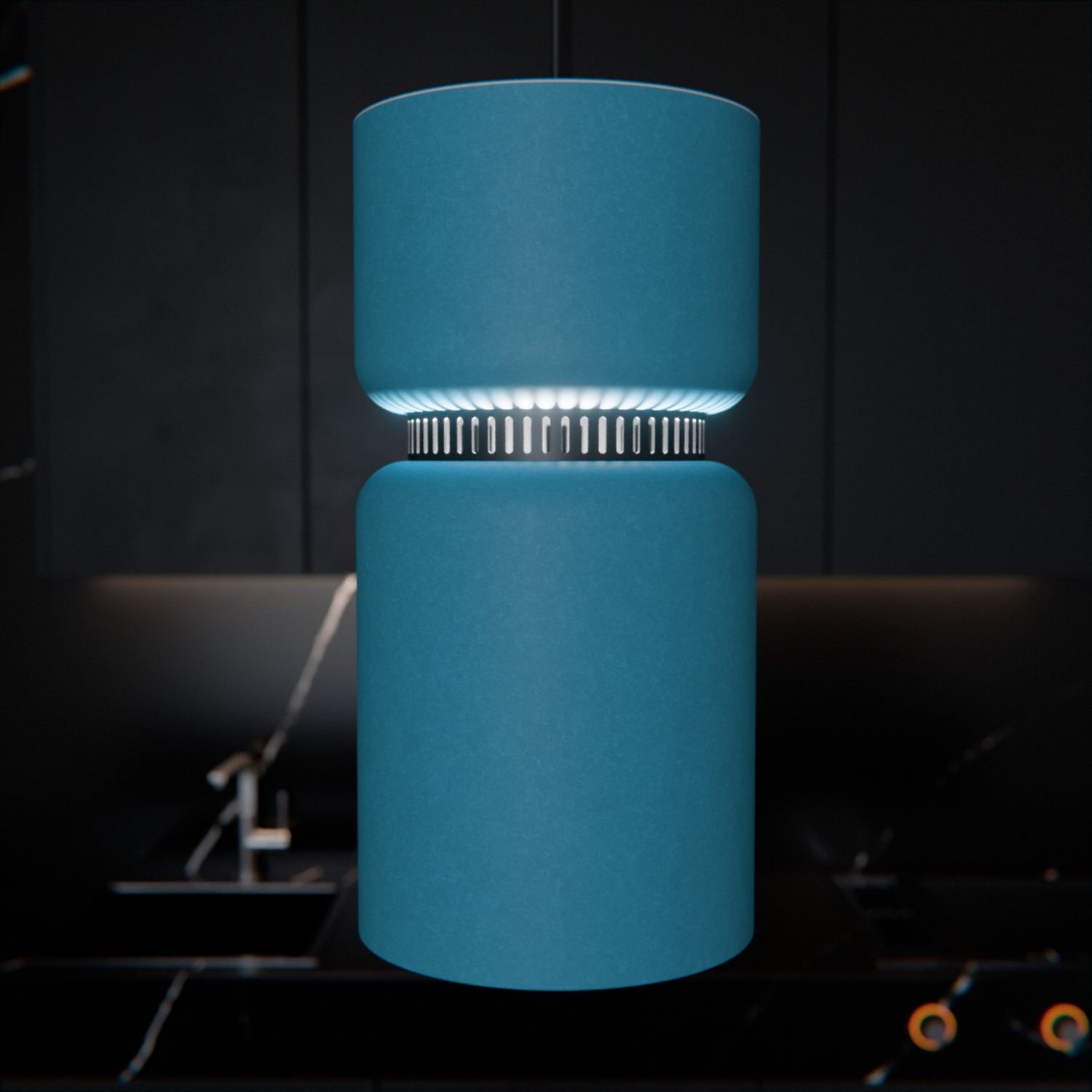
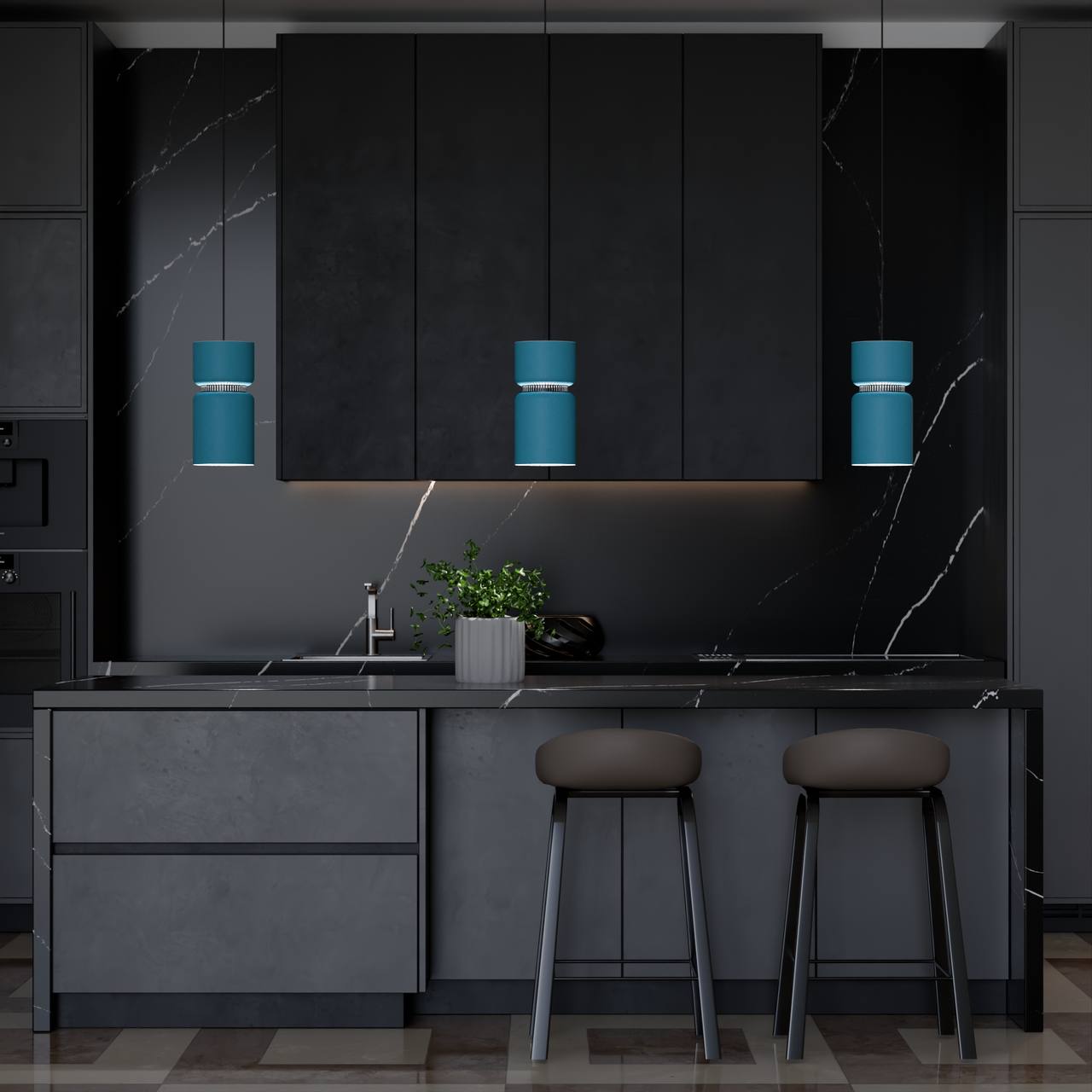
The piece has two bodies, each available in 23 finishes. Photographing it’s impossible: 529 different products. I built the material as a parametric system — its own texture, grain and roughness per finish — and rendered the full matrix in batch: packshot, perspective and lifestyle.


Lit product, dark studio scene.


The same kitchen in 32 finishes: the scene is built once and serves the whole range.
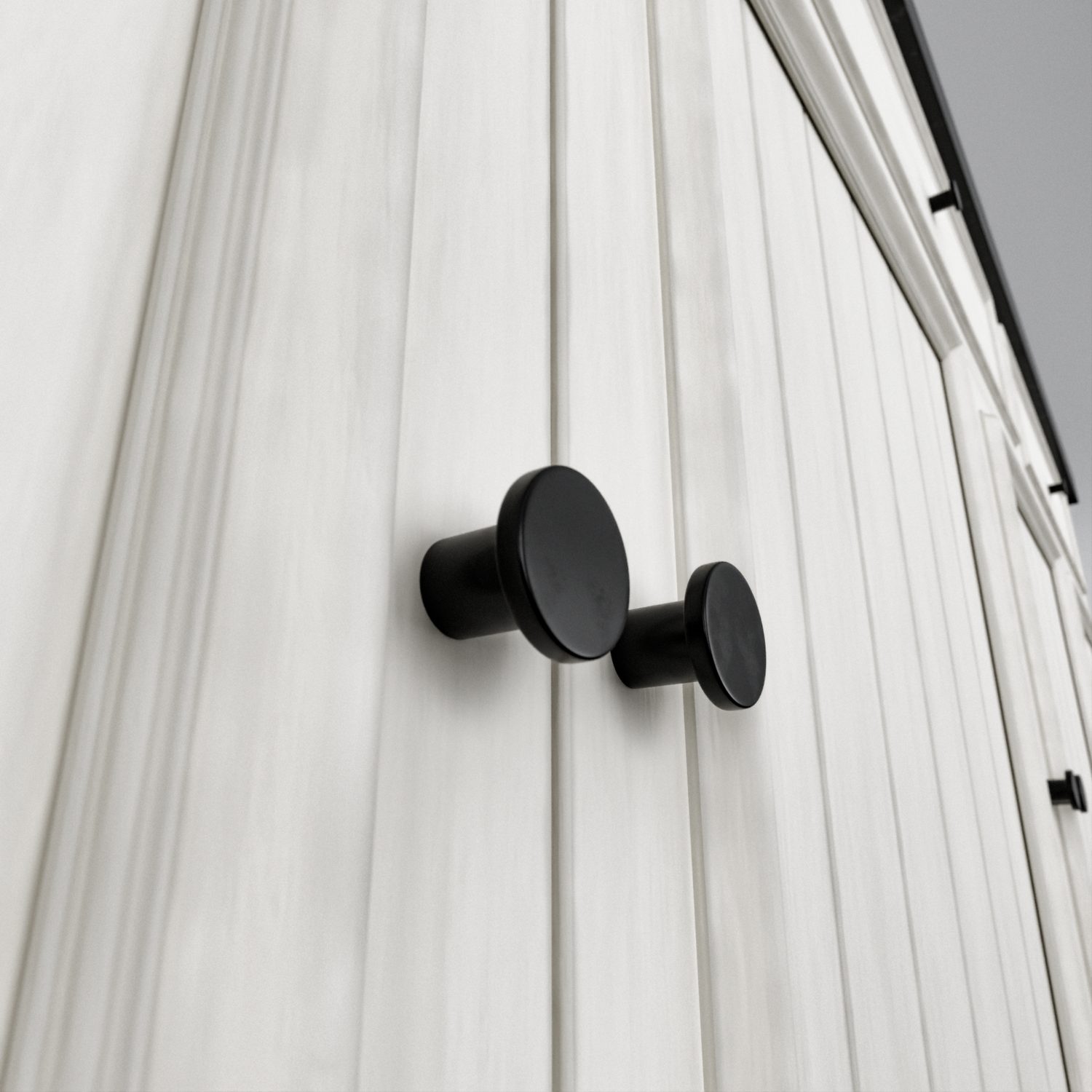
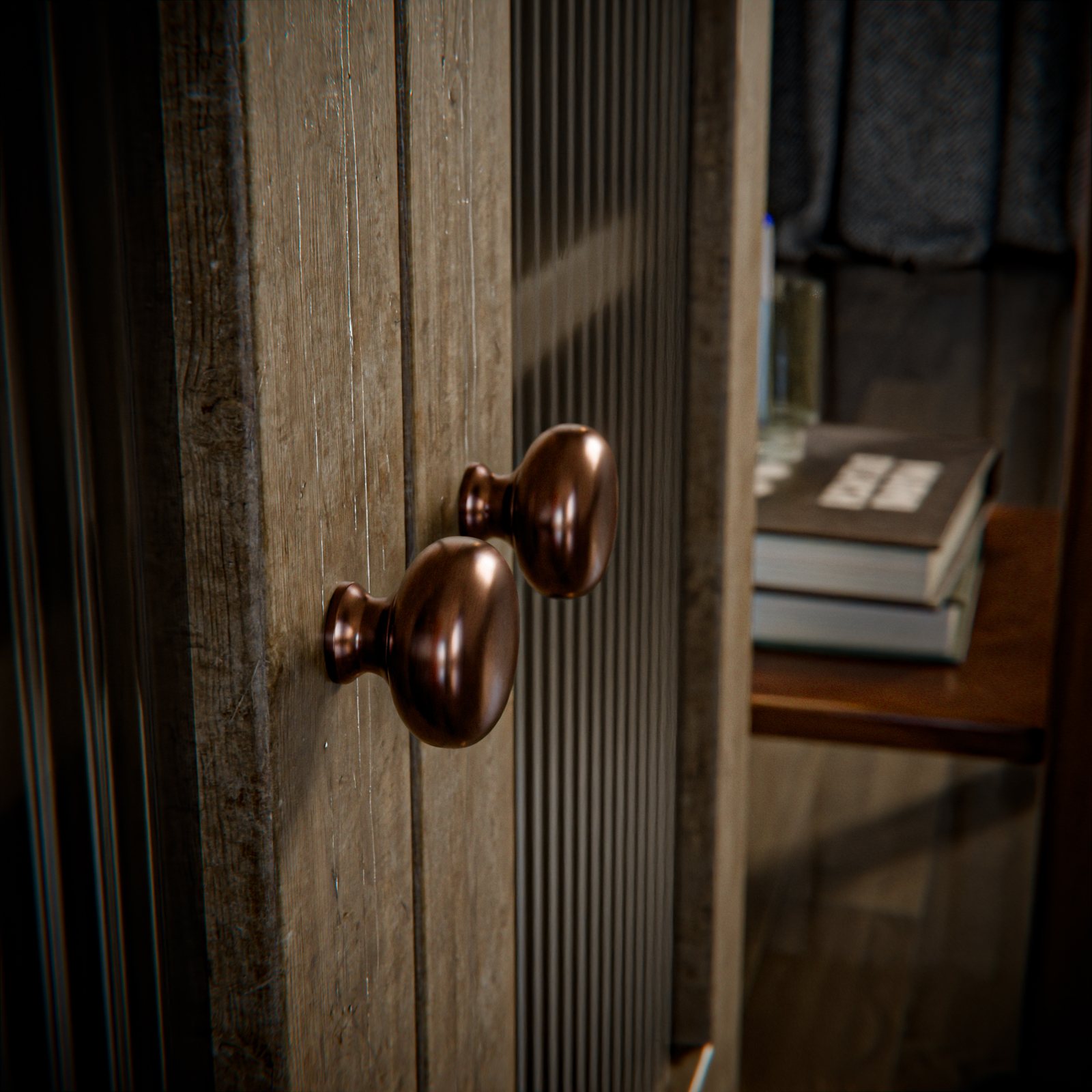
Zamak knob by J. Ramón Grau (La Pobla Llarga, Valencia, Spain). A self-initiated test, not a commission: modelled from their photos and dimensions, with no source CAD, in its 8 finishes — aged silver, aged leather, satin and chrome — and fitted on a cabinet door.


Lifestyle, two packshot views and the cover of the presentation delivered.


Product packshots, assembly animation, lifestyle and advertising. All from the same files.
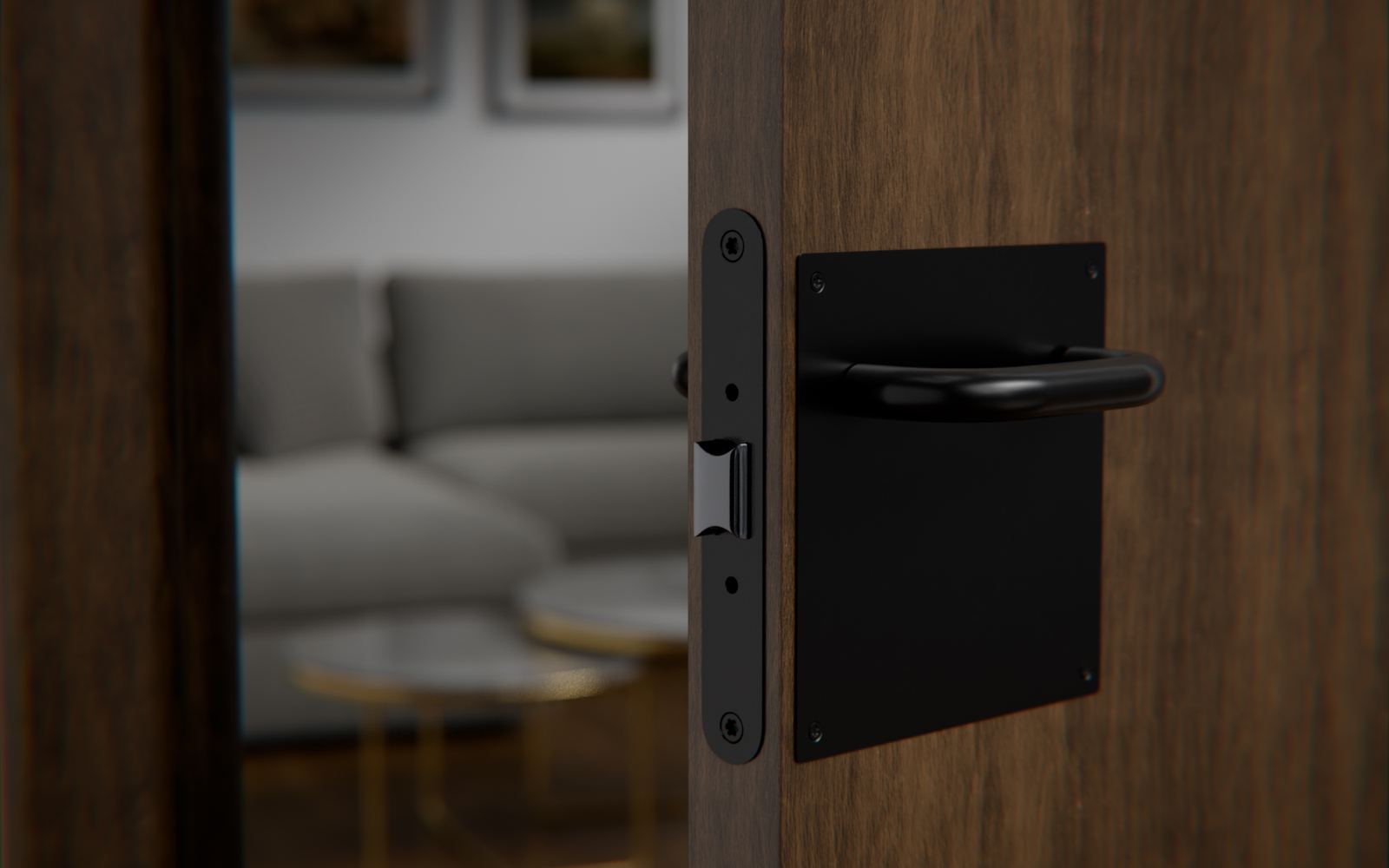
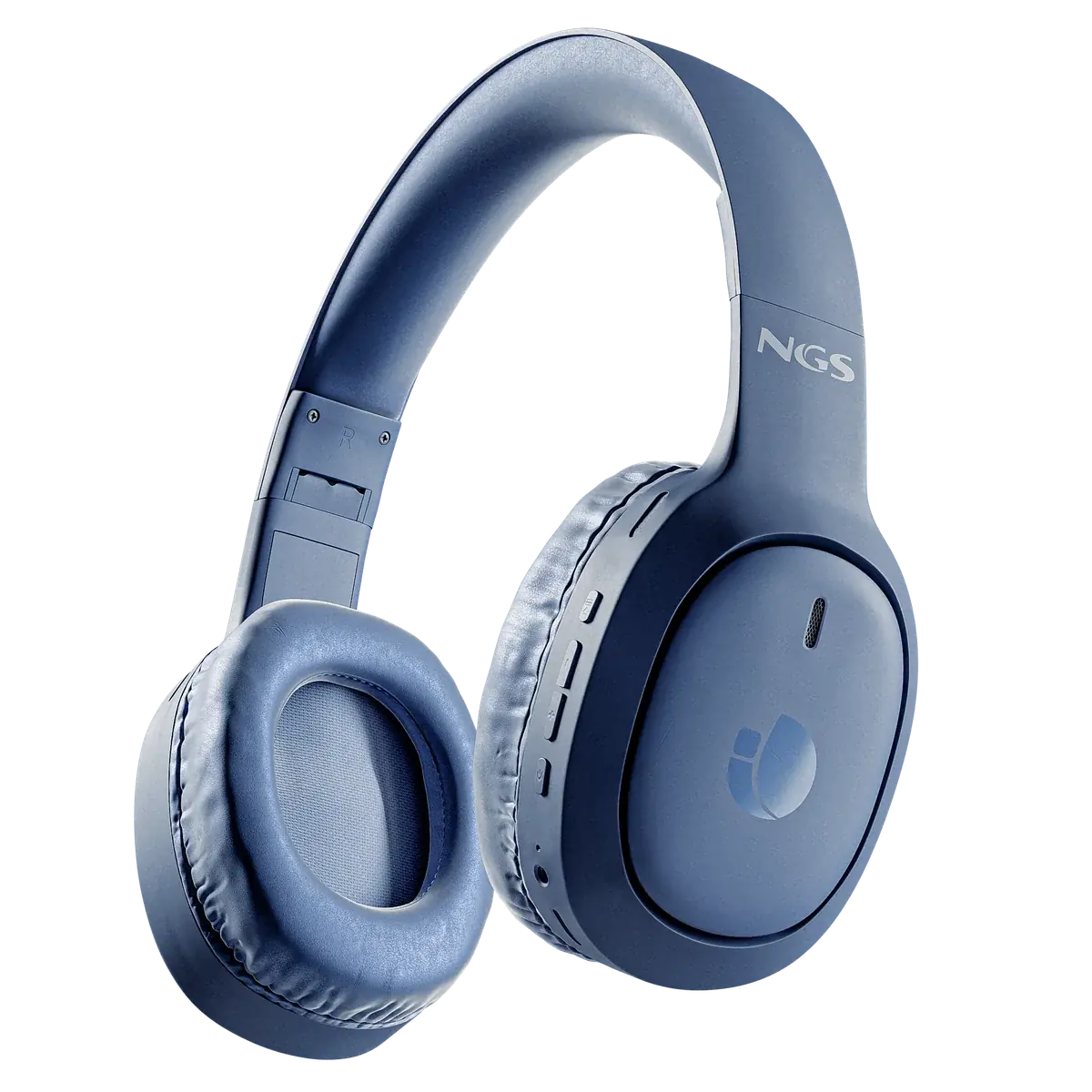
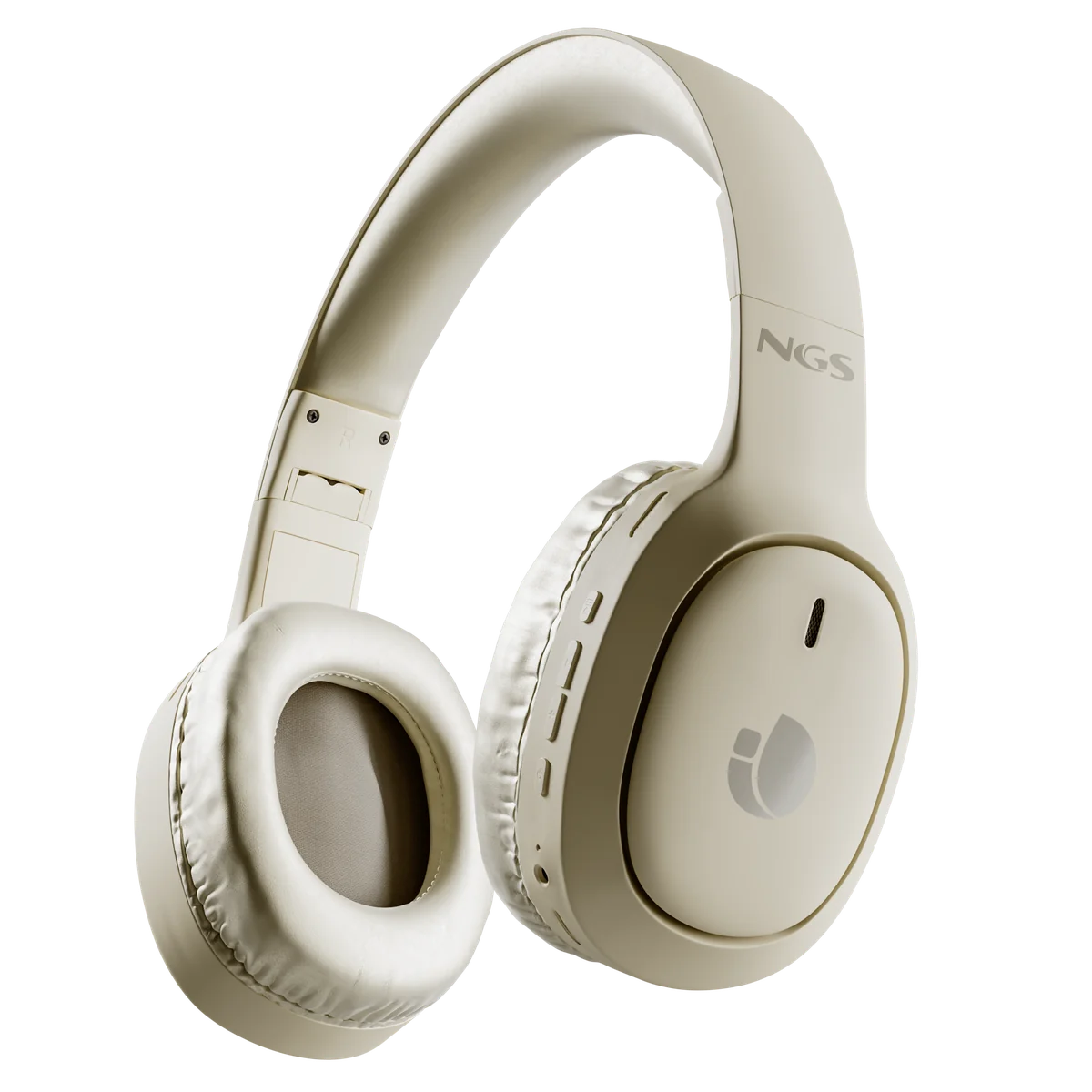
Products on the market rebuilt in 3D to show the method on hard materials: brushed metal, glass, leather, matt plastic. They are self-initiated studies, not commissions from those brands.


From your CAD, or from photos and dimensions if there is none. Validated against the real part before moving on.
Each finish is built as a reusable parametric material, not an unrepeatable manual tweak.
A script works through products × finishes × views and names every file with your own SKU convention.
Agreed resolution, background, crop and format; tidy folders and, if needed, direct upload to your store.
The volume work: product on white or transparent background, identical lighting across the collection.
The product in its context of use: kitchen, door, bathroom, office. Reusable scenes for the whole range.
Campaign key visuals, product animation and social pieces from the same model.
If the volume is recurring, the deliverable can be the system itself, not just the images.
Pick one part from your catalogue, send me the CAD — or a few photos and the dimensions if you don’t have it — and I’ll send back a test render with its finishes. No commitment, no cost. If it works for you, we quote the rest of the catalogue; if not, you keep the image.

