- Lighting
- Finish matrix
- Packshot · lifestyle
The B.lux Aspen S17A, 23 finishes per body: 529 combinations without a single photo
The Aspen S17A luminaire by B.lux (Gizaburuaga, Spain), with two bodies and 23 finishes each: all 529 combinations, with the same light and the same framing.
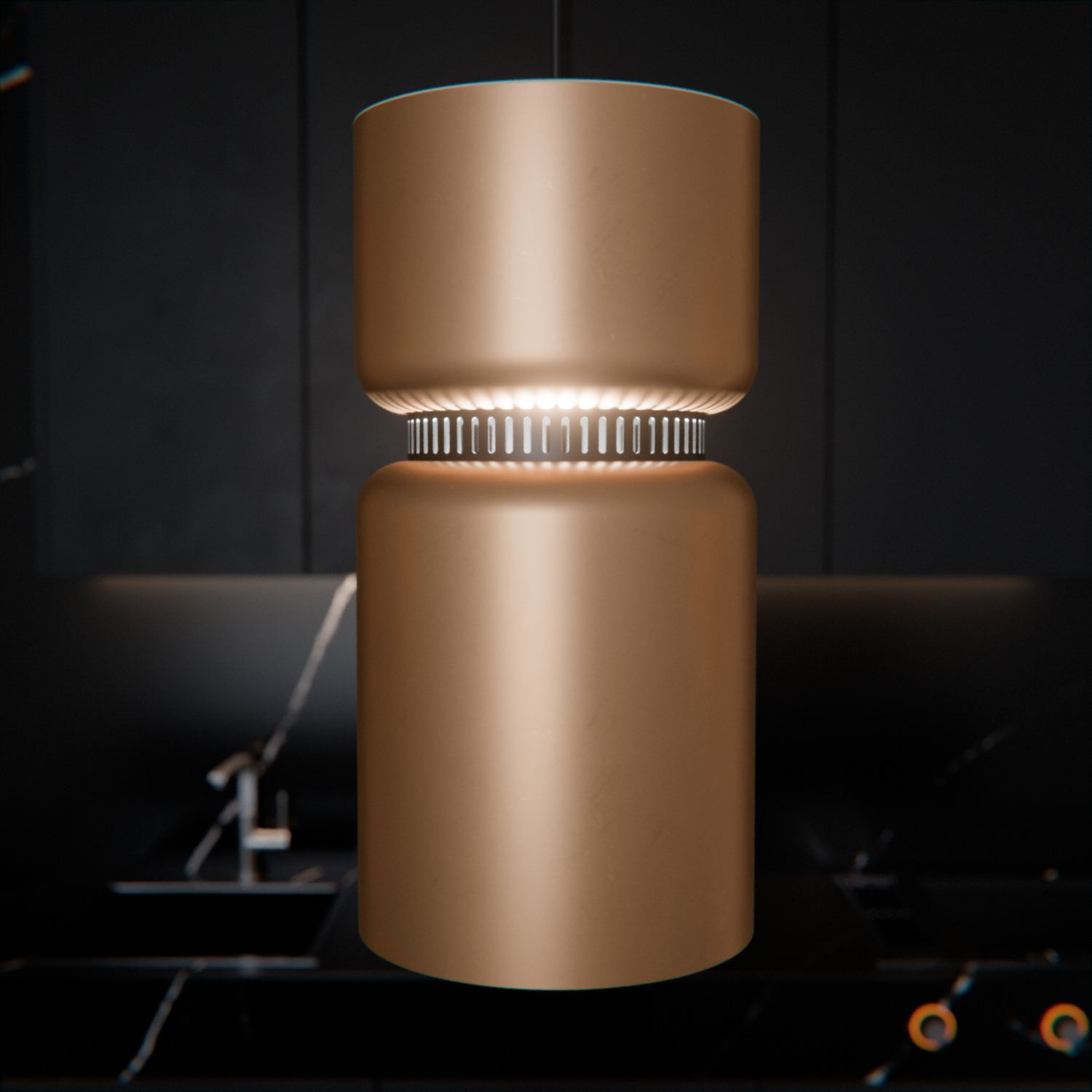
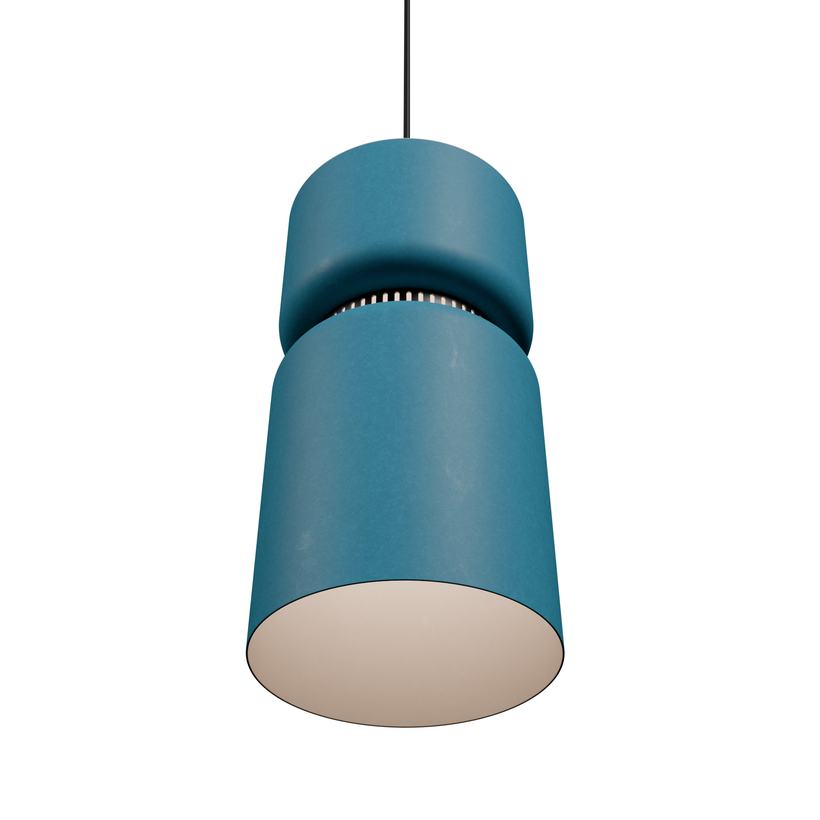
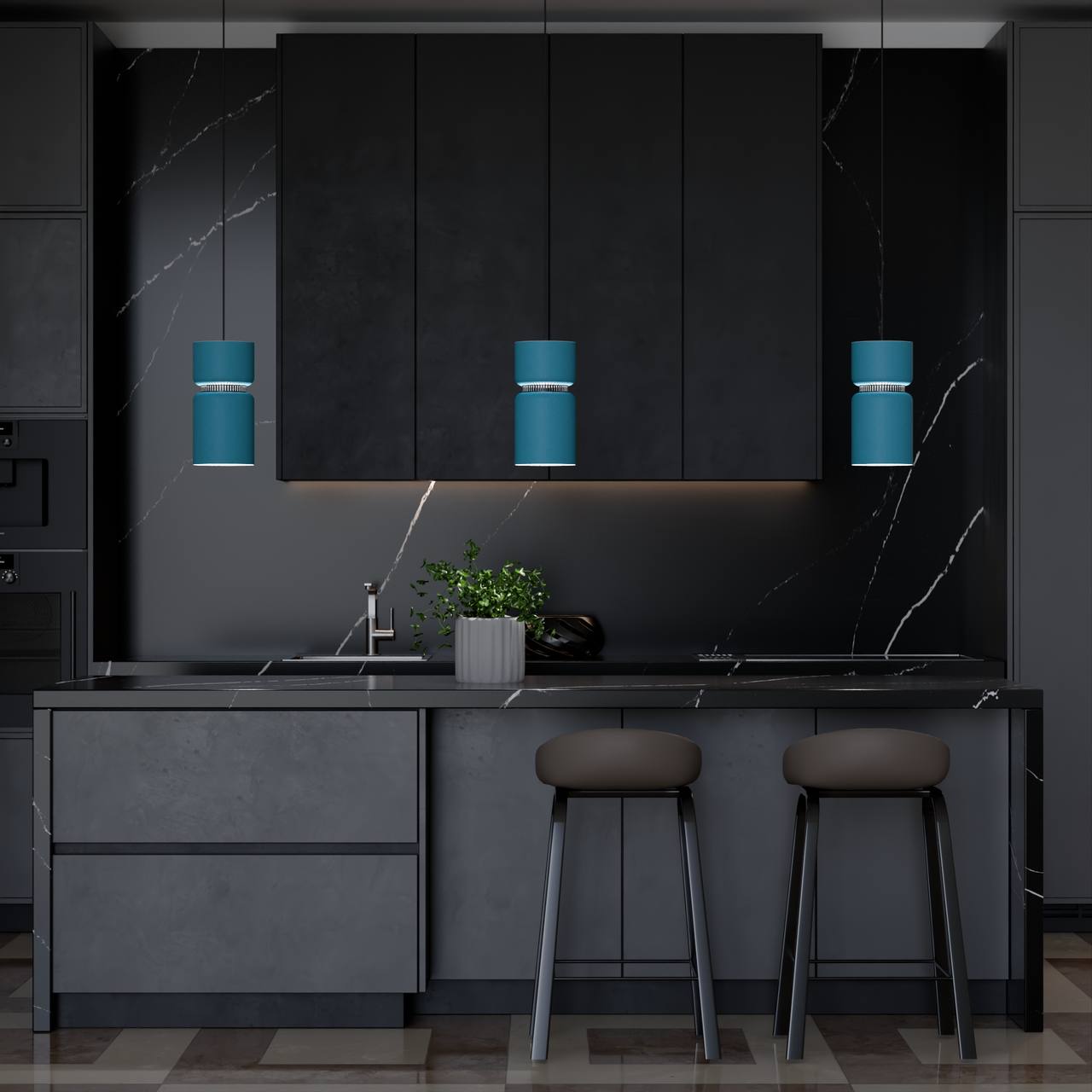
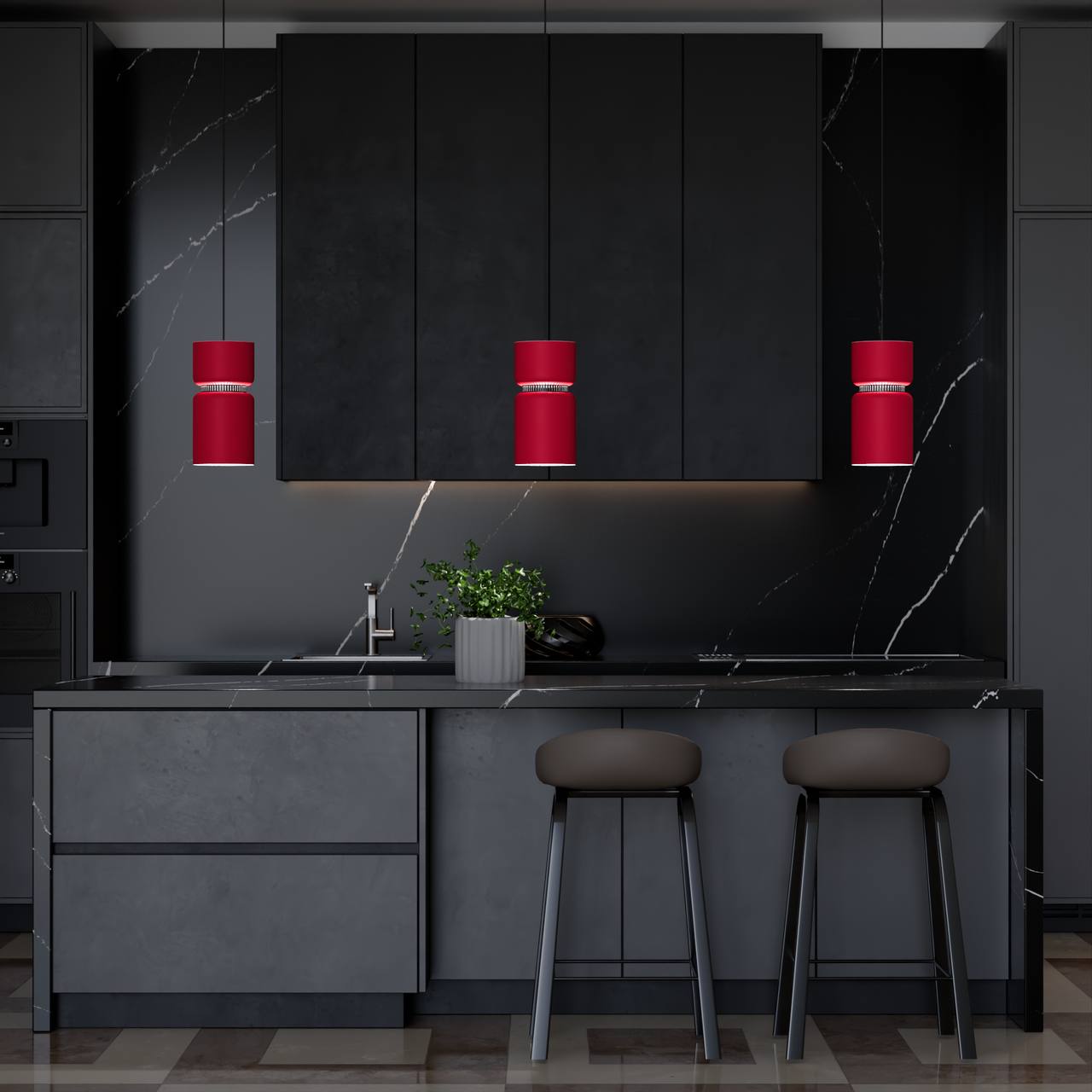
Lifestyle, packshot and the same kitchen in two of the 32 scene finishes.
How it looks in the catalogue
All 23 finishes, each with its views
Each finish applied to both bodies: in elevation, from below and hanging in the same kitchen, with the same light and the same framing. Change the viewpoint or tap a finish to see its sheet.
Neutrals
Earth tones
Warm
Cool
The case
The case in four lines
The problem
529 possible combinations: photographing them all isn’t viable; catalogues show three and a table.
How it was done
The product modelled in 3D once; every combination comes out of it.
What comes out of it
All 529 on a white background, plus perspective and lifestyle for the ones you want to highlight.
Who this is for
Lighting, furniture or hardware with combinable parts.
Pricing
Prices + VAT. Fixed quote before we start.
Tell us about your project.
What you make, how many products and in how many finishes. We’ll send you a fixed-price proposal, with no commitment.
Prefer to talk?Also by phone or email
iker.suinaga.mongelos@
English · Spanish · Basque
Arrasate-Mondragón (Gipuzkoa, Spain)